



Programme Overview
Contextualisation
Contemporary issues faced by modern Muslim communities in advanced economies and secular plural societies
Interdisciplinarity
Interdisciplinary approaches of historical, social, political and cultural dimensions of Islamic thought
Applied Research
Research that is applied and geared towards understanding societal trends and needs with the purpose of collaborative solutioning for contemporary challenges, including insights for policy development and community initiatives
Plenary Session
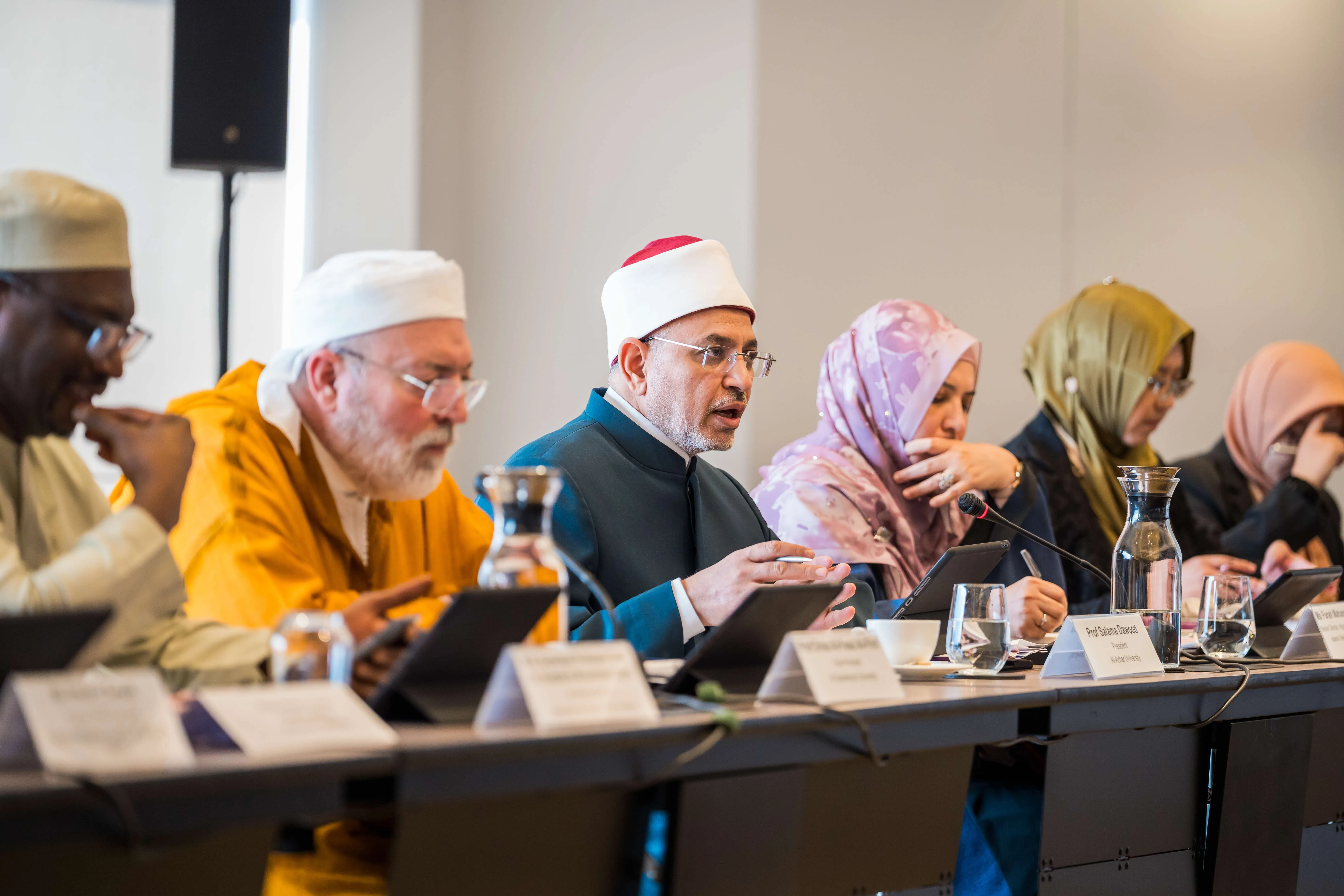
Interdisciplinary Islamic studies and collaborative applied research for social impact
This panel will explore the interdisciplinary nature of the Islamic intellectual traditions and its continued relevance in addressing contemporary challenges, with a particular focus on cultivating resilient learners and dynamic leaders. Historically, Islamic scholarship has integrated various fields of knowledge-such as theology, law, ethics, natural sciences and politics, thereby creating a holistic framework for addressing contextual needs. In today's interconnected world, this learning tradition offers a model for Islamic higher education that nurtures students into community leaders and professionals equipped to tackle complex, multifaceted issues. The panel will address the following key questions:
- How does interdisciplinarity feature within the Islamic tradition and how can it be applied to modern challenges to develop resilient learners?
- How can an interdisciplinary approach in applied research make impactful contributions to broader society in addressing contemporary challenges?
- In what ways can higher education equip students to become dynamic leaders and professionals?
- How will the interdisciplinary approach be delivered through the curriculum of the Singapore College of Islamic Studies, and what role can it play in developing the leaders of tomorrow?
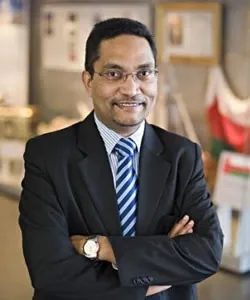
Professor Abdullah Saeed
Sultan of Oman Professor of Arab and Islamic Studies and the Redmond Barry Distinguished Professor, University of Melbourne
Synopsis:
"The Interdisciplinary Approach within Islamic Tradition and its relevance in the modern context"
This introductory presentation sets the stage for the symposium and will discuss the interdisciplinary nature of classical Islamic scholarship (highlighting scholars such as Al-Farabi, Ibn Sina, and Al-Ghazali) which blended philosophy, science, and theology in their work, to create a foundation for a robust and interconnected worldview. This tradition of interdisciplinary thinking should continue to shape contemporary Islamic scholarship, particularly in the face of modern interconnected era. The relevance of this interdisciplinary approach will be examined through contemporary challenges faced by Muslim communities. This presentation will argue that by drawing on the rich interdisciplinary legacy of Islamic tradition, scholars and policymakers today can offer nuanced, context-specific solutions that balance traditional Islamic values with modern needs.
About:
Professor Saeed is currently Sultan of Oman Professor of Arab and Islamic Studies (since 2004), the Director of the National Centre for Contemporary Islamic Studies and the Convenor of Islamic Studies at the University of Melbourne. He is an active researcher, focusing on one of the most important issues in Islamic thought today: the negotiation of text and context, ijtihad and interpretation. He is a strong advocate of reform of Islamic thought and is frequently asked to present at events both nationally and internationally.

Professor Lily Kong
President, Singapore Management University and Lee Kong Chian Chair Professor of Social Sciences
Synopsis:
"Beyond the ivory tower: Religion, research, and societal impact"
Professor Lily Kong will speak on the public value of institutes of higher education and how they should be contributors to societal development. She will elaborate on the creative, catalytic and consequential potential of research in light of intellectual freedom, research driven by curiosity and the expectation of public accountability. Based on her own experience on the landscape of higher education and universities both locally and abroad, Prof. Kong will underline the importance of research in informing policy and reshaping practice, highlighting how rigorous research provides an evidence base for decision-making and public debate.
About:
Professor Lily Kong, BBM, PBM, FBA, was appointed President of Singapore Management University (SMU) in 2019. She is the fifth President and the first Singaporean to lead the 25-year-old university. She is also the first Singaporean woman to serve as President of any university in Singapore. She previously served as Provost of SMU from 2015 to 2018, making her the first woman to hold the position of Provost at any university in Singapore. Before joining SMU, she held various senior management roles at the National University of Singapore.
Professor Lily Kong also serves on the Advisory Panel for the SCIS, contributing her expertise in higher education leadership to the development of the college.
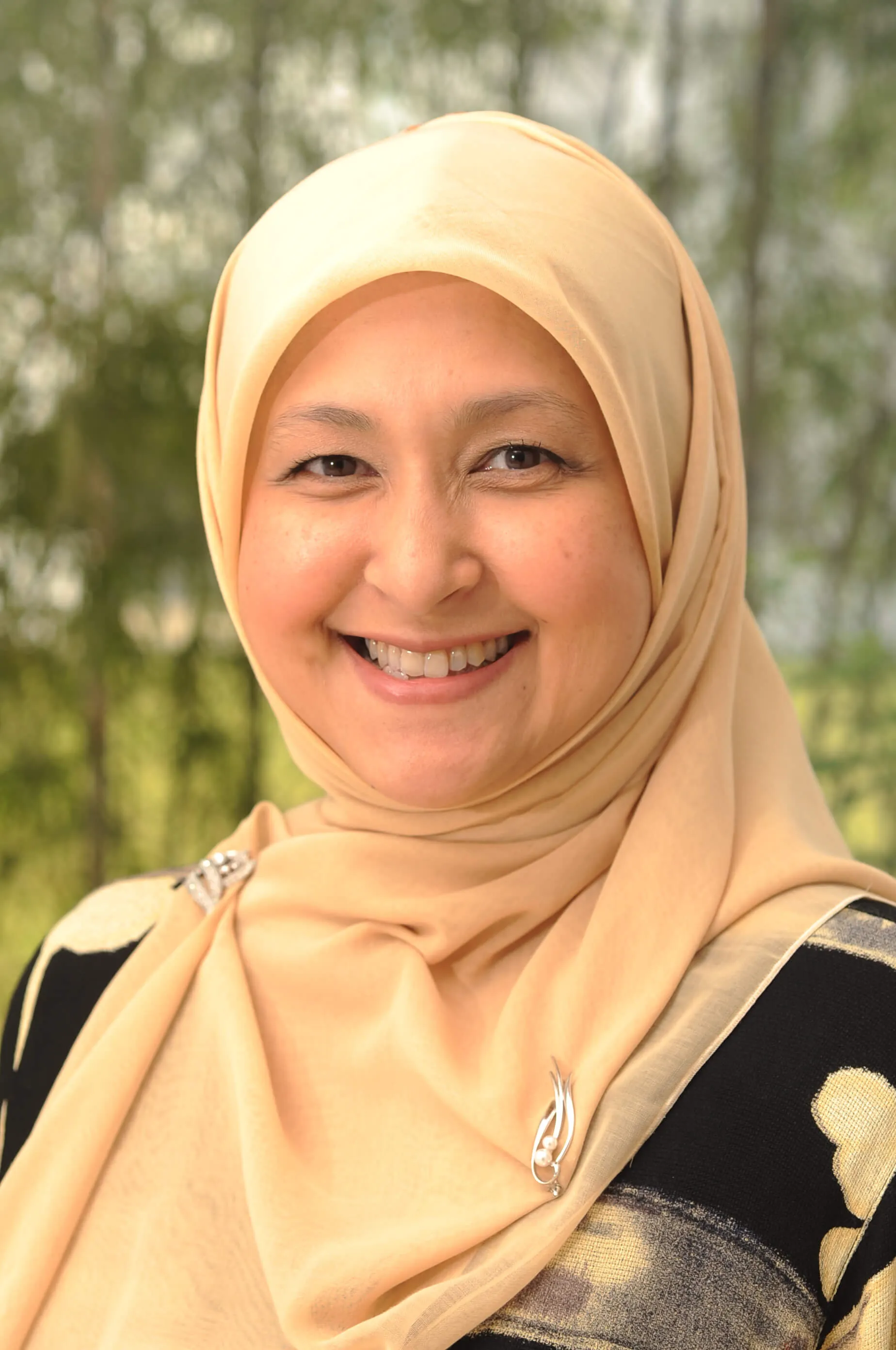
Associate Professor Suzaina Kadir
Vice Dean (Academic Affairs), Lee Kuan Yew School of Public Policy
National University of Singapore
Synopsis:
"The role of religious leadership alongside other community leaders and stakeholders in enriching collaborative solutioning for contemporary social development"
This presentation will discuss how Singapore's future religious leaders can be prepared to guide an increasingly complex and culturally and religiously diverse community by embracing interdisciplinary knowledge and collaborative leadership. Against the backdrop of a multicultural, multireligious, and secular society, the presentation invites the audience to reflect on how religious leaders can move beyond the traditional religious domains to work alongside professionals in areas such as social work, mental health, education, and technology. The discussion will emphasise the importance of fostering collaboration across organisations, developing ethical and contextually grounded religious guidance, and thoughtful engagement with today’s social issues.
About:
Associate Professor Suzaina Kadir serves as Vice Dean (Academic Affairs) at the Lee Kuan Yew School of Public Policy (LKYSPP), National University of Singapore, and sits on the Steering Committee for the SCIS.
She holds a PhD in Political Science from the University of Wisconsin–Madison. Her scholarship centres on religion and politics, with particular focus on Muslim politics in Southeast and South Asia. She also works extensively on state–society relations, political development in Asia, and regional security issues in Southeast Asia. Her recent research explores non-traditional security challenges affecting ASEAN, including women's rights and the impact of religion.
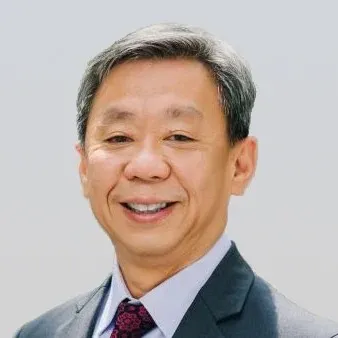
Professor Tan Tai Yong
President and Professor, Singapore University of Social Sciences
Synopsis:
"Universities Beyond Disciplines: Preparing Leaders for a Complex World"
Professor Tan Tai Yong will speak on the importance of fostering an interdisciplinary culture in higher education to prepare leaders for today's complex and fast-changing world. He will explain why moving beyond traditional academic silos is essential for universities seeking to remain relevant and responsive to societal needs. Drawing on his experience, Professor Tan will discuss how an interdisciplinary culture benefits both faculty and students. He will highlight how such a culture supports meaningful scholarship and collaboration, while equipping students with the critical thinking and confidence needed to navigate the balance between tradition and modernity. He will also reflect on the significance of the SCIS-SUSS partnership and how this collaboration creates a unique learning environment that is key in preparing future leaders and professionals who are grounded in their faith, socially engaged, and able to contribute constructively to Singapore's diverse and plural society.
About:
Professor Tan Tai Yong is the President of the Singapore University of Social Sciences and holds a PhD from Cambridge University, with research focused on India, Southeast Asia, and Singapore history. A National University of Singapore graduate, he chairs the Institute of South Asian Studies and serves on the boards of the National Library Board and National Heritage Board, where he also holds key leadership roles. He has been recognised with the National Day Administration (Silver) Award in 2009 and the Public Service Award in 2020 for his contributions to education and public service.
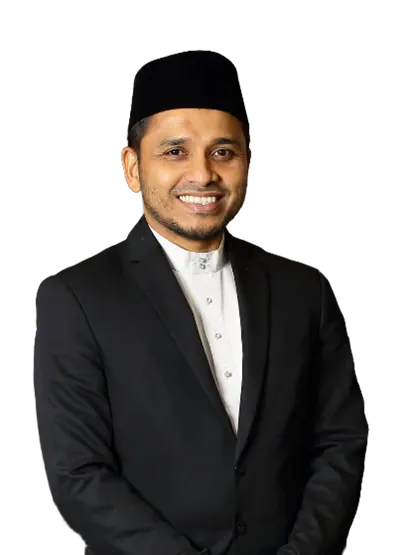
Sohibus Samahah Mufti Dr Nazirudin Mohd Nasir
Mufti of Singapore
Synopsis:
"Interdisciplinary Islamic Studies: The SCIS Approach"
Beginning with a brief overview of the shadow of a predominance of disciplinary approaches to Islamic sciences that continue to challenge modern approaches to Islamic studies, Mufti Dr. Nazirudin will examine the challenges associated with this approach in light of the increasing complexity and multifaceted nature of contemporary issues. Mufti Dr. Nazirudin will elaborate on the envisioned interdisciplinary approach for the upcoming SCIS, which entails bringing together insights from different disciplines and fields of inquiry. He will also outline the thematic approach to the SCIS undergraduate curriculum and share his vision for the RPCS research programme, in championing interdisciplinary applied research in Islamic studies and the study of Muslim communities living in advanced economies and plural societies.
About:
Mufti Dr Nazirudin Mohd Nasir was appointed as Mufti of Singapore in March 2020. As the chair of the Fatwa Committee, he takes the lead in providing guidance for the Muslim community's religious life. He is also a member of the Presidential Council of Religious Harmony, Singapore. Mufti Dr Nazirudin is also the Chair of Steering Committee for the Singapore College of Islamic Studies (SCIS). Mufti Dr Nazirudin went to Al-Azhar University to complete a bachelor's degree in Islamic law. He then pursued a Master of Arts in Comparative Legal Studies at the School of Oriental and African Studies in London, where he was a Chevening Scholar and graduated with distinction. He completed his Philosophy Doctorate at St Cross College, Oxford University in the comparative study of the Abrahamic religions. His thesis examined the interrelationships between Judaism, Christianity, and Islam, and the emergence of the idea of the 'Abrahamic religions' in the thought of French Islamicist Louis Massignon.
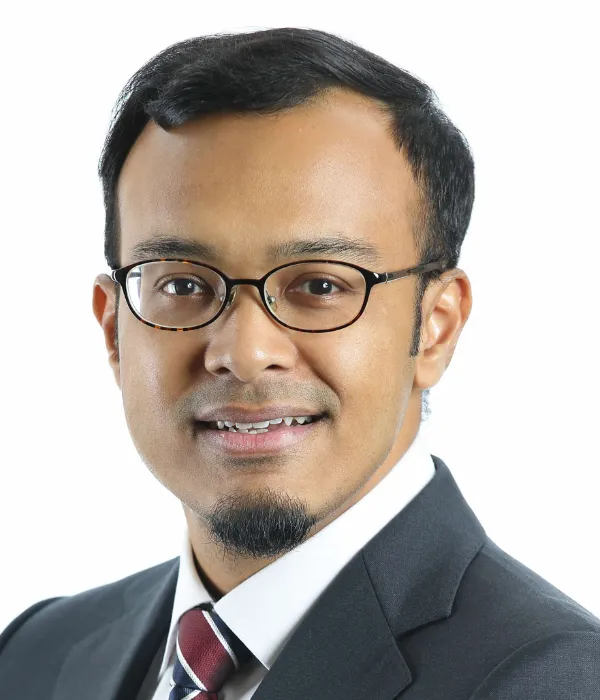
Mr Khairul Anwar
Moderator: Deputy Chief Executive, MUIS
About:
Khairul is Deputy Chief Executive at the Islamic Religious Council of Singapore (MUIS).
MUIS is a statutory board of the Ministry of Culture, Community and Youth (MCCY), which sees to the varied needs and interests of the Muslim community in Singapore. In his current capacity, Khairul oversees the development and governance of the mosque and religious education sector, including finance, infrastructure and programming of over 70 such institutions here.
Khairul has over a decade of professional experience, spanning technical and leadership roles in international business development, infrastructure project development, urban planning and community development.
In his early years in then International Enterprise (IE) Singapore, Khairul contributed to SMEs' internationalization plans to the Middle East and Africa. He then held a dual role in IE Singapore and Singapore Cooperation Enterprise (SCE), managing Singapore's infrastructure development collaborations with foreign governments, the World Bank and Asian Development Bank, and was one of the lead negotiators for Singapore's participation as a founding member of the Global Infrastructure Facility. He was also part of the cross-agency team that launched Singapore's strategy to be an infrastructure hub for Asia, work that is continued by Infrastructure Asia today.
Khairul was subsequently seconded to the Urban Redevelopment Authority (URA), Singapore's national land planning agency, where he contributed to the master-planning of Jurong Lake District, the largest business district outside the CBD, and was the strategy lead for urban mobility, logistics and development strategy.
Prior to his current role in MUIS, Khairul served as Regional Director for Indonesia and subsequently Director for Southeast Asia at Enterprise Singapore, the agency of the Singapore government championing enterprise development. There, he led Enterprise Singapore's work in the region, deepening Singapore businesses' engagement with Southeast Asian governments and businesses across the consumer, digital, manufacturing and infrastructure sectors.
Khairul trained in urban planning and design at the Cornell University (USA) and the London School of Economics (UK).
Breakout Sessions
The breakout sessions are designed as applied learning platforms that connect research and curriculum to real-world challenges. Each session will explore key questions related to a contemporary theme in Islamic studies. Designed to give participants a glimpse into the SCIS learning experience, the breakout sessions will be highly interactive, showcasing interdisciplinary and applied learning approaches and methods. Participants will also engage in activities that will encourage reflective thinking, boundary-crossing and collaborative solutioning.
Religion as a Resource - Interdisciplinary Approaches to Social Cohesion in Plural Societies
Overview
This workshop explores how Singaporean Muslims can draw on their religious heritage, ethical traditions, and lived experiences to strengthen social cohesion in a multicultural society. Through three complementary perspectives - Islamic scholarship, social science research, and interfaith practice, participants will examine how religious thought can contribute meaningfully to building trust and cooperation across diverse communities.
Participants will work in diverse discussion groups—bringing together academics, policymakers, practitioners, community leaders, teachers, and students—to examine real-life scenarios facing Muslim communities in Singapore. Groups will explore how Islamic principles, empirical research, and practical experience can inform community-relevant solutions.
What to Expect
Professor Abdullah Saeed will anchor the session in the Islamic intellectual tradition. Beyond outlining key ethical principles and precedents that can inform meaningful Muslim engagement within a plural society, such as maslahah (public interest), istihsān (juristic preference), and ḥuqūq al-ṭabīʿiyyah (natural rights), among others, he will draw on case studies across time and context. These examples will demonstrate how the Islamic intellectual heritage has practically cultivated resilience and social cohesion in diverse societies throughout history.
Dr Leong Chan-Hoong will follow by presenting insights from RSIS' Southeast Asian Social Cohesion Radar 2025. Elaborating on the significance of the Bertelsmann Stiftung Social Cohesion Framework, Dr Leong will highlight areas in which Singaporean Muslim respondents recorded relatively strong outcomes, particularly within the Social Relations and Focus on the Common Good domains. These include sub-dimensions such as Acceptance of Diversity and Solidarity and Helpfulness. As the lead researcher of the study, Dr Leong is well positioned to explain the significance of these mean scores in the Singaporean context, and to clarify what they may signal. He will explain how such patterns may point to the possible influence of religious thought and ethical teachings in shaping everyday interpersonal orientations. Dr Leong will then situate these findings within the Radar's broader regional observation that Southeast Asian societies are often sustained by strong horizontal social ties, even where levels of institutional trust vary.
Ustazah Lina Sakina Salim (Chair, Centre for Interfaith Understanding) will offer insights as a prominent religious educator and interfaith practitioner. She will reflect on the spiritual and intellectual shifts required for effective bridge-building, sharing how Asatizah can leverage scriptural inspiration, specific resources, and relational competencies to foster genuine intercultural and interreligious trust.
Guest Speakers:
Professor Abdullah Saeed
Sultan of Oman Professor of Arab and Islamic Studies and the Redmond Barry Distinguished Professor, University of Melbourne
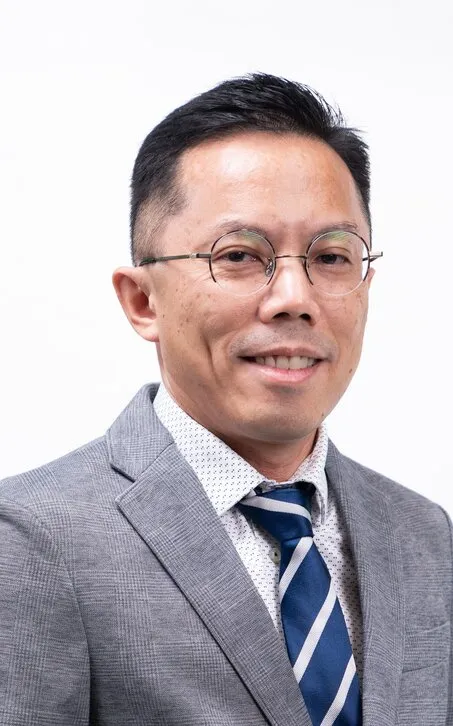
Dr Leong Chan-Hoong
Senior Fellow and Head of Social Cohesion Research Programme, S. Rajaratnam School of International Studies, Nanyang Technological University
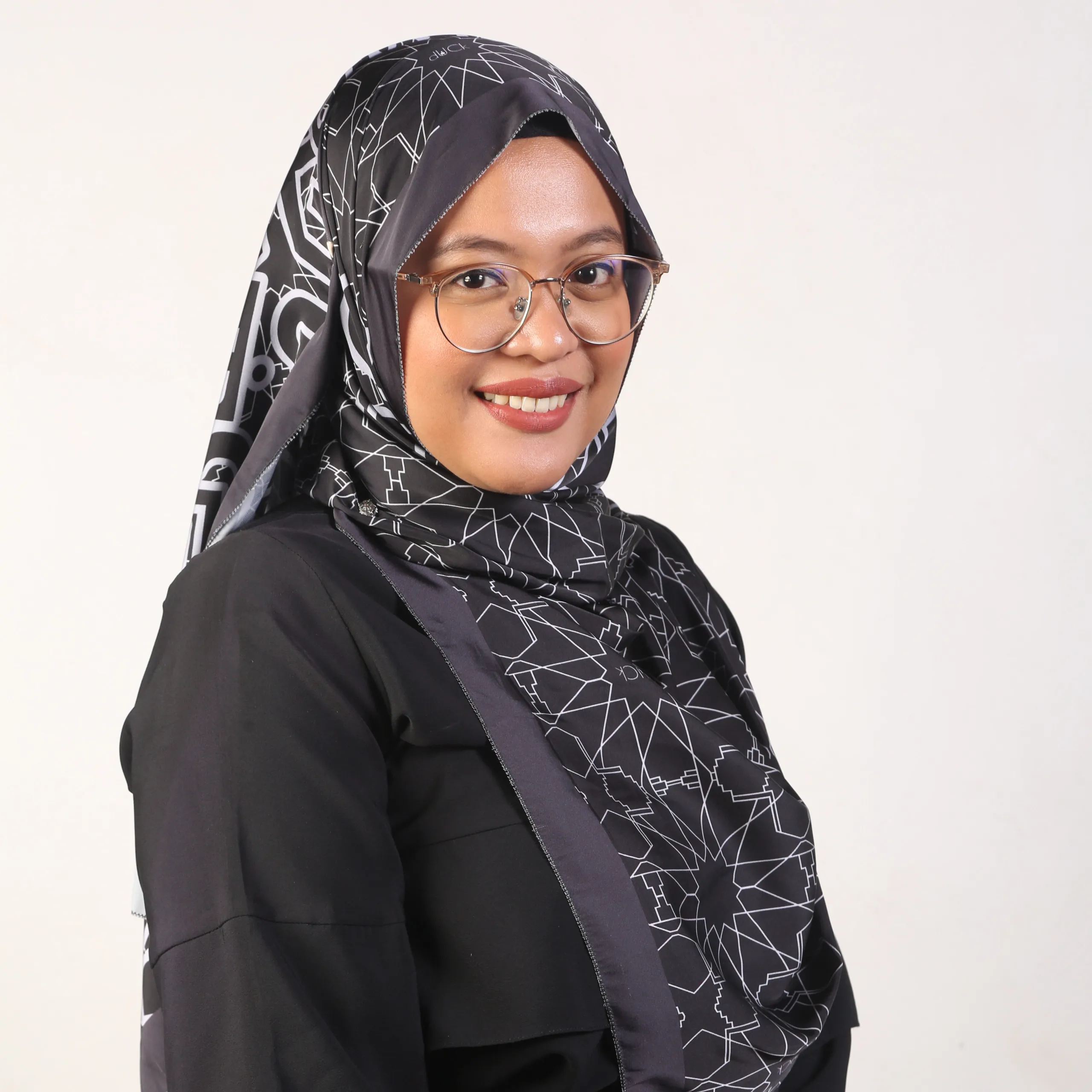
Ustazah Lina Sakina Salim
Chairperson, Centre for Interfaith Understanding (CIFU)
Facilitators:
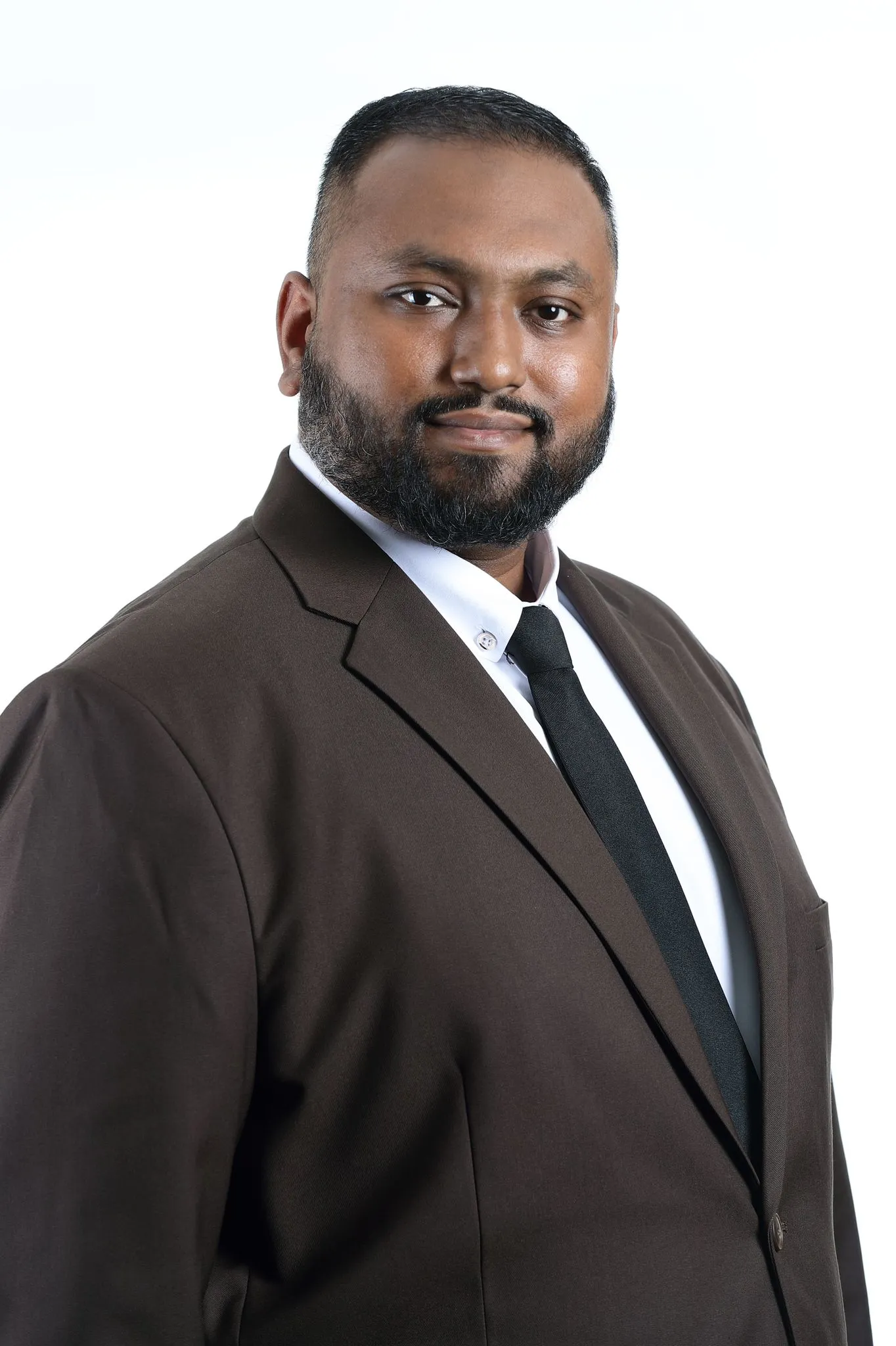
Shaik Muhammad Khairun Nabil
RPCS, Associate Research Fellow
Harnessing AI for Islamic Studies: Tools, Methods, and Possibilities
Overview
This interactive workshop introduces participants to the practical use of Artificial Intelligence (AI) in Islamic Studies. Designed for educators, students, and researchers with little or no AI background, the session explores how tools like ChatGPT and AI-powered search engines can assist with research and teaching tasks such as summarising, translating, and analysing texts. This workshop emphasises that AI should complement, not replace, traditional methods of Islamic scholarship.
Discussions will explore three key dimensions:
Key Dimensions
- Ethical considerations – data privacy, authenticity of Islamic knowledge, and human oversight
- Lived practice – real-world applications in fatwa research, textual analysis, and community education
- Pedagogical application – how AI can enhance teaching methods and student learning
What to Expect
Ustaz Ridhwan Basor will examine AI's transformative role in Islamic education, addressing both opportunities and challenges. He will discuss how AI can personalise learning experiences, increase access to educational resources, and enhance the study of classical Islamic texts. His presentation will cover essential skills that students and teachers need to navigate the digital age, including AI ethics, data privacy, and critical engagement with technology.
Ustaz Fadhil Azman will share findings from the Fatwa Lab on integrating Generative AI into fatwa research. Through practical case studies, he will demonstrate how AI tools can support traditional scholarly methods whilst maintaining the rigorous standards required for Islamic jurisprudential work, balancing technological capabilities with the authenticity of Islamic legal reasoning.
Guest Speakers:
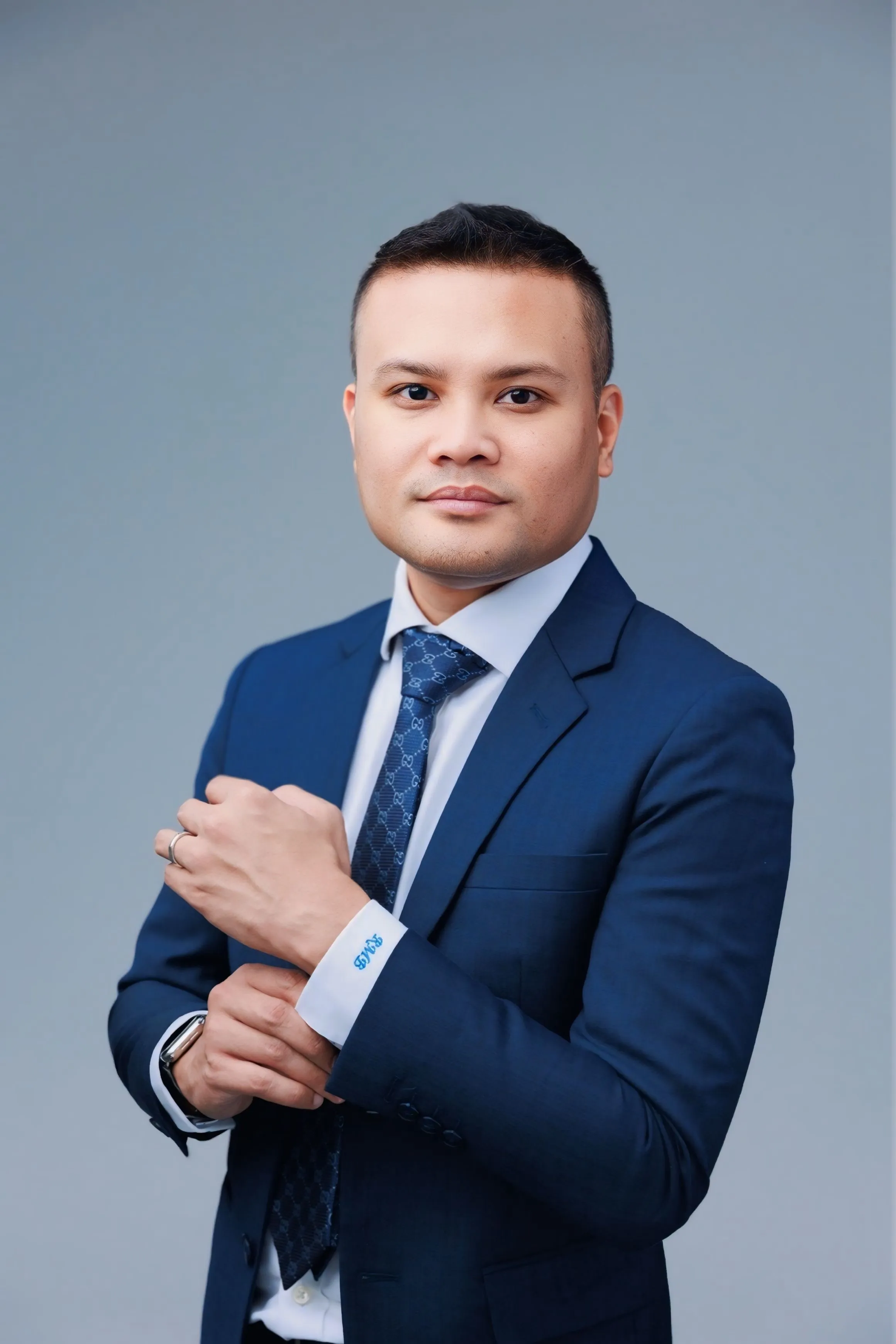
Ustaz Ridhwan Basor
Founding Director, DigitalWell.ai
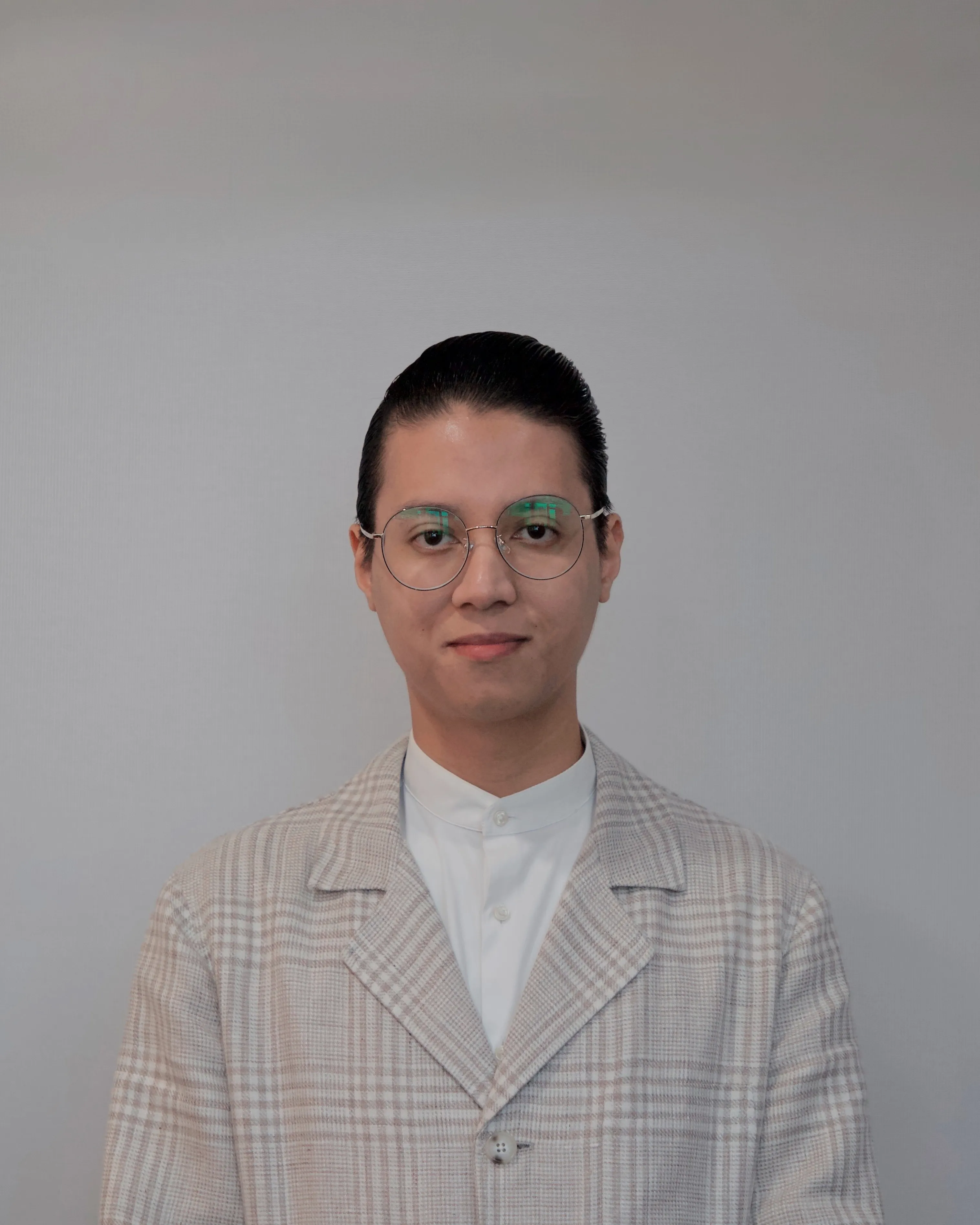
Ustaz Fadhil Azman
Researcher, Religious Policy Department (Fatwa), MUIS
Facilitators:
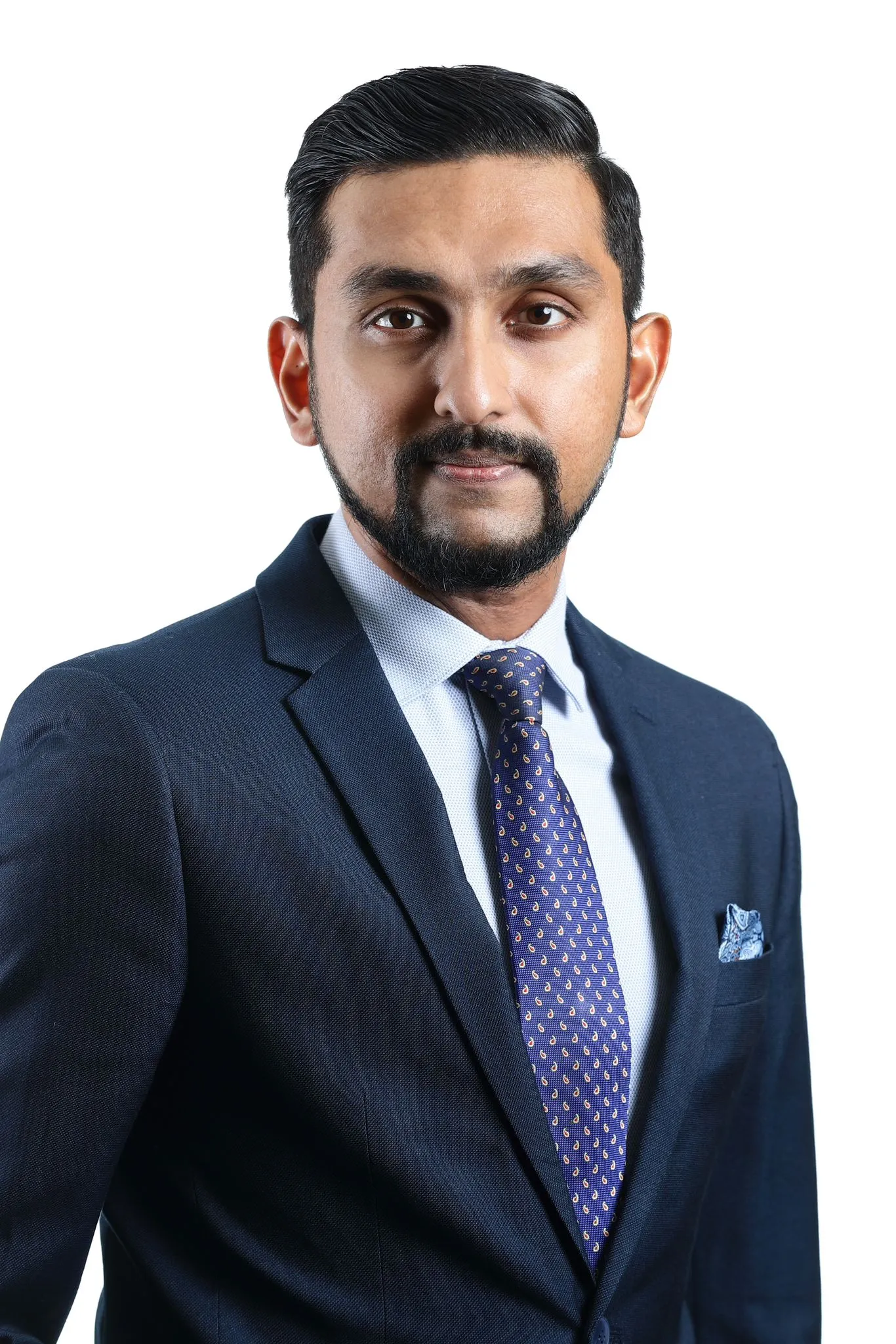
Ustaz Sheikh Mohamad Farouq
RPCS Associate Research Fellow
Navigating Religious Identity and Governance: The Singapore Muslim Experience Through an Interdisciplinary Lens
Overview
This breakout session examines the evolving landscape of Muslim religious life in Singapore, exploring how faith communities navigate identity, governance, and pluralism in a multicultural society. Drawing from Islamic scholarship, sociological analysis, and political science perspectives, this interdisciplinary session will equip participants with a nuanced understanding of the complex considerations involved in providing relevant religious guidance to diverse communities.
What to Expect
The session begins with an unpacking and discussion of the Constitution of Madinah, the Maqasid framework, and key pillars of governance in Singapore for a deeper understanding the dynamic relationship between state and society in Singapore's highly diverse environment. Through an interdisciplinary lens, participants will examine how the local Muslim community adapts and thrives whilst maintaining core religious values in a pluralistic setting.
Participants will also engage in reflective dialogue about the importance of an interdisciplinary and applied approach to better appreciate the complexities of the governance of religious affairs and the value of a boundary-crossing approach in practical solutioning for contemporary socio-religious issues.
By attending this session, participants will:
- Gain insights into the unique characteristics of state and governance affecting Singapore's Muslim community and how religious life is navigated as it operates within the national framework
- Identify key Islamic governance principles drawn from classical and historical sources and relate these principles to contemporary governance practices in Singapore.
- Apply the Maqasid framework to a real socio-religious policy issue.
- Experience collaborative problem-solving that honours both Islamic values and diverse perspectives.
- Reflect on why interdisciplinary and applied learning is essential for Islamic scholarship and leadership today.
Facilitators:
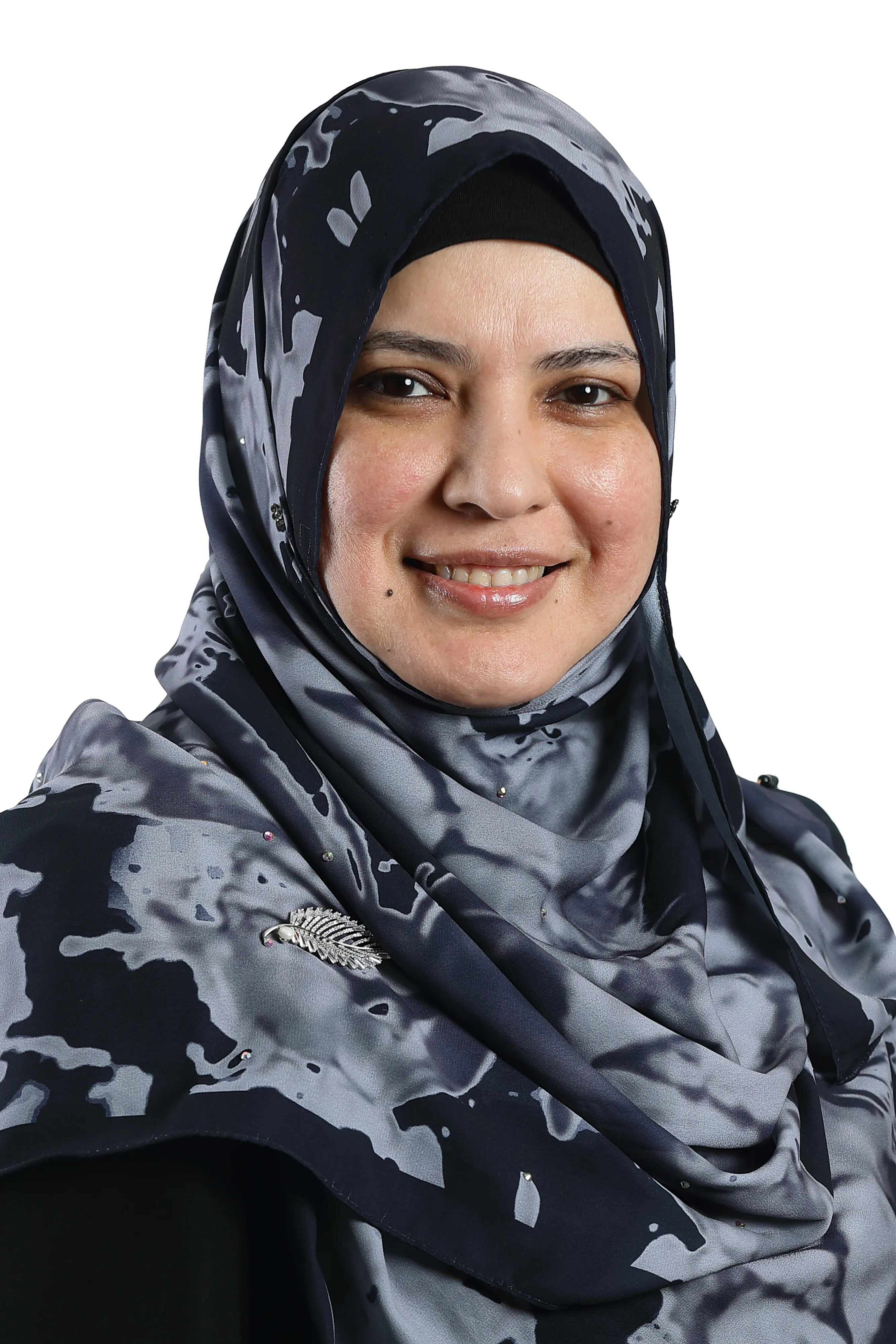
Ustazah Farah Mahamood Aljunied
Senior Director of Higher Education & Research, MUIS
Beyond the Ideal: Reinterpreting Family through Islamic and Social Science Lenses
Overview
This panel explores how Islamic ethics and social science research enhance understanding of diverse family forms in contemporary Singapore, where evolving gender roles and social change continue to reshape family life. It highlights how Islamic moral concepts and empirical evidence together indicate that family well-being is grounded on emotional bonds and functional stability rather than a single ideal structure.
The panel further demonstrates ways of integrating Islamic ethical traditions with research-informed and practice-oriented frameworks, an approach that is increasingly important in providing responsive guidance for diverse and resilient families in Singapore today.
Panel Presentations
Ustazah Dr Siti Nur 'Alaniah Abdul Wahid analyses Islamic concepts such as usrah1, ā'ilah2, and ahl3, interpreted through socio-historical readings and maqāṣid al-sharī'ah4, to propose inclusive kinship frameworks reflecting Singapore's diverse families.
Ustazah Hafiza Roslee presents research on how Singapore's asatizah are re-reading marital notions such as qiwāmah5 and qānitāt6 to emphasise shared responsibility and joint decision-making, with implications for religious guidance, community education, and policy engagement.
A/P Noor Aisha Abdul Rahman offers sociological insights into how Muslim families negotiate care, authority, and religious norms in a rapidly changing society, showing how Islamic legal-ethical frameworks intersect with empirical family realities in Singapore.
Ustaz Dr Mohammad Yusri Yubhi Md Yusoff provides a practitioner's perspective on how notions of responsibility and pastoral care are enacted in everyday family interactions, bridging scriptural knowledge and interpretation with counselling practice and lived experience.
1 Family, especially the nuclear or immediate household.
2 Family or dependents, often the extended family.
3 Household or kin associated with a person, place or affiliation.
4 Higher objectives of Islamic law.
5 Marital responsibility denoting a husband's duty of provision and care, grounded in obligation rather than absolute authority.
6 Women characterised by qunūt: Piety and moral discipline oriented towards God, not unconditional obedience to human authority.
Guest Speakers:
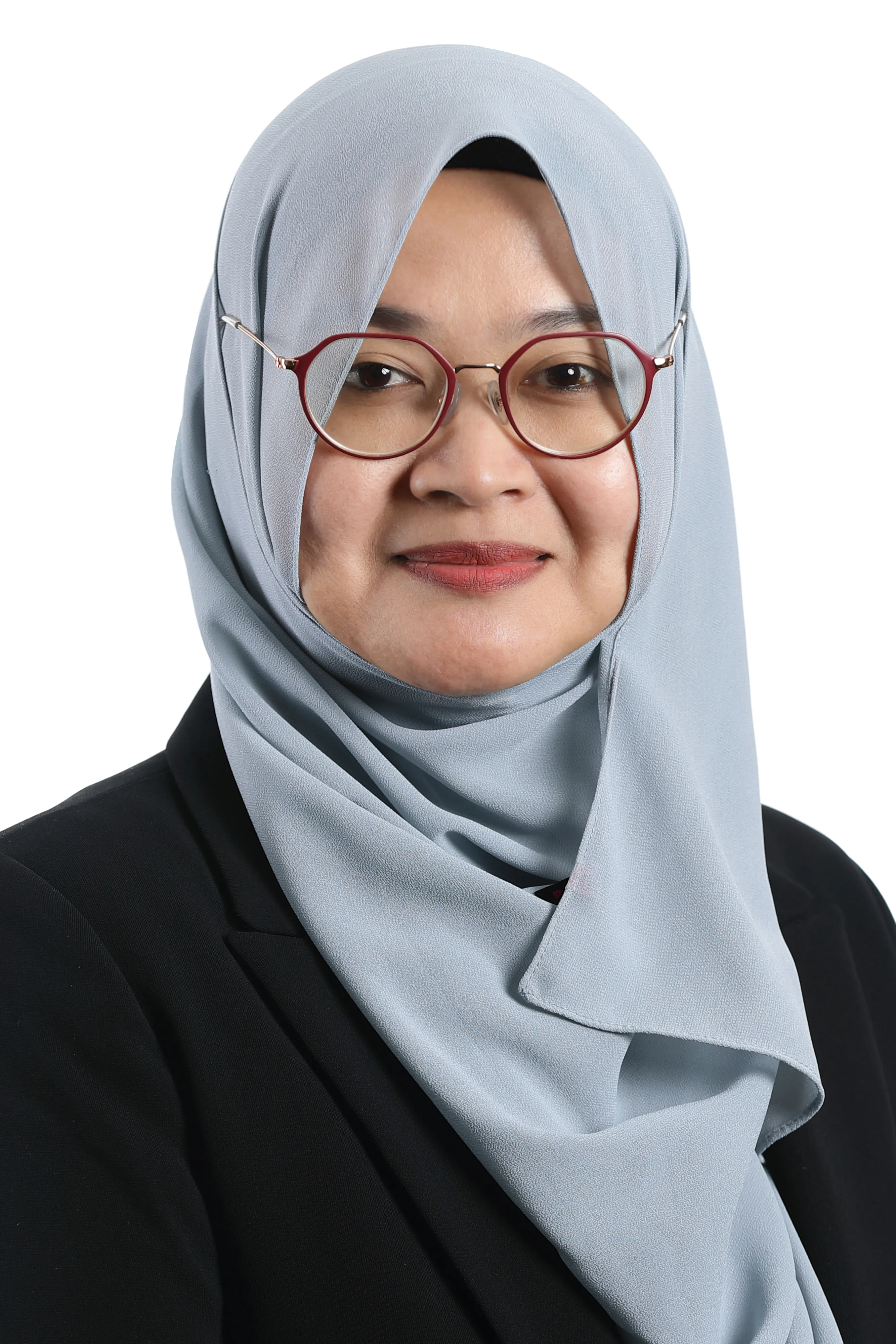
Ustazah Dr Siti Nur 'Alaniah Abdul Wahid
RPCS Adjunct Research Fellow
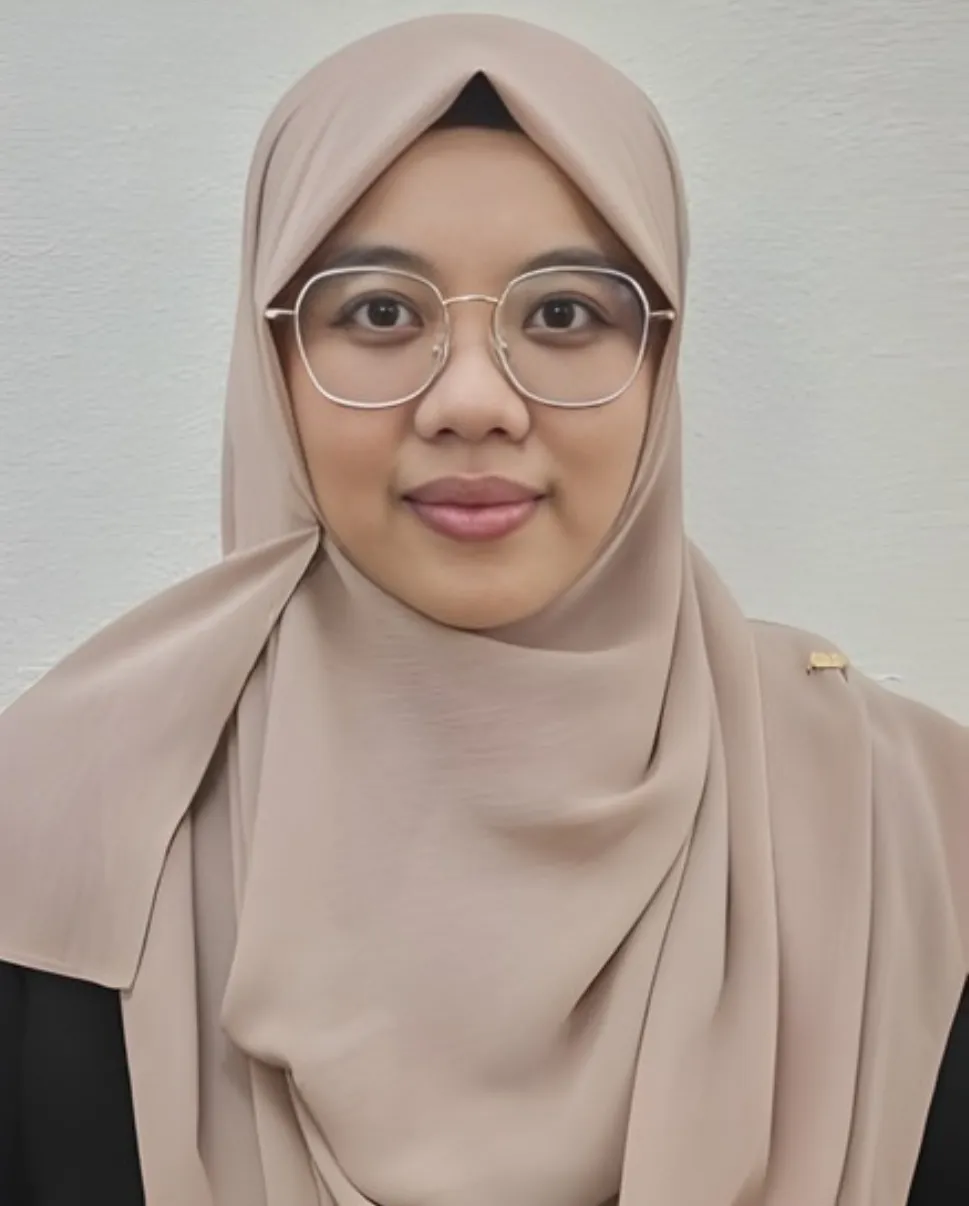
Ustazah Hafiza Roslee
RPCS Adjunct Research Fellow
Associate Professor Noor Aisha Abdul Rahman
Department of Malay Studies, National University of Singapore
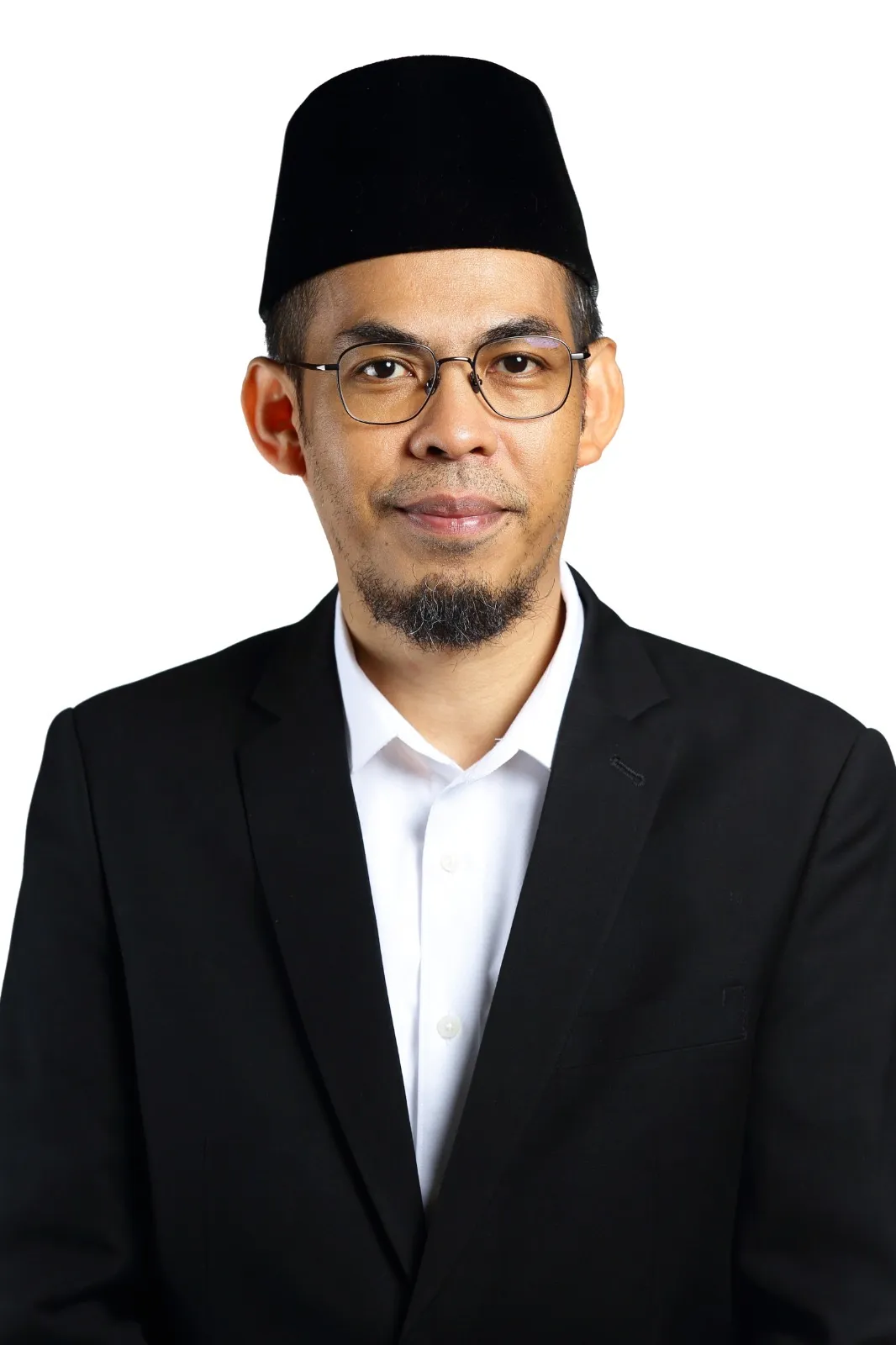
Ustaz Dr Mohammad Yusri Yubhi Md Yusoff
Director, YusriYusoff Consulting
Facilitators:
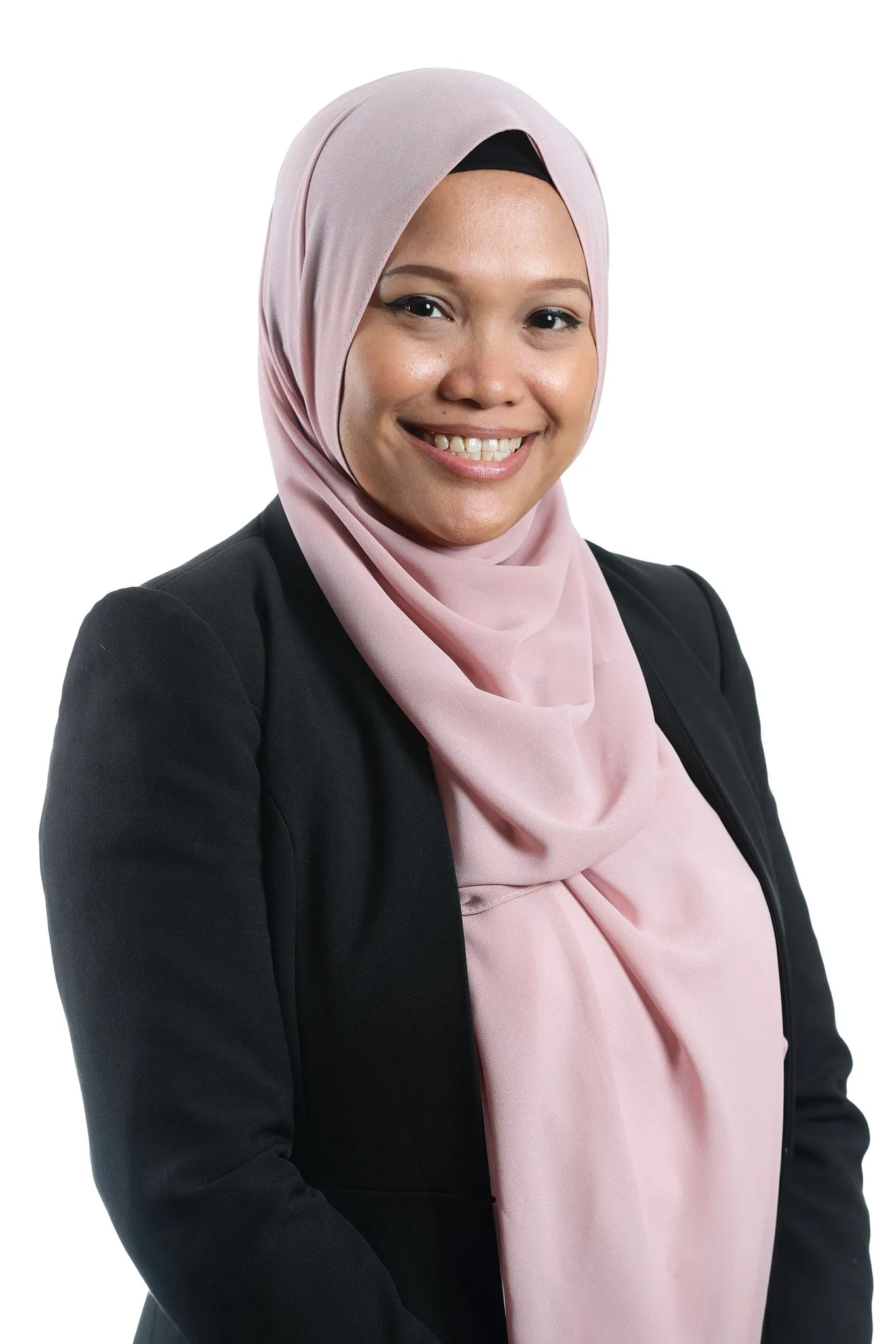
Dr Tuty Raihanah Mostarom
Head, Higher Education & Research (Academic Programme), RPCS Research Fellow
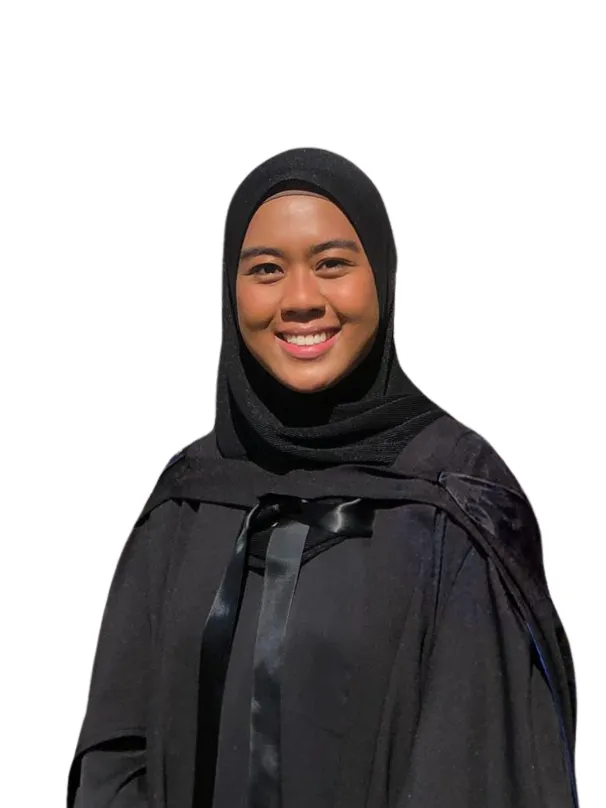
Aisyah Yusoff
RPCS Associate Research Fellow