



Singapore College of Islamic Studies (SCIS)
Singapore College of Islamic Studies
About
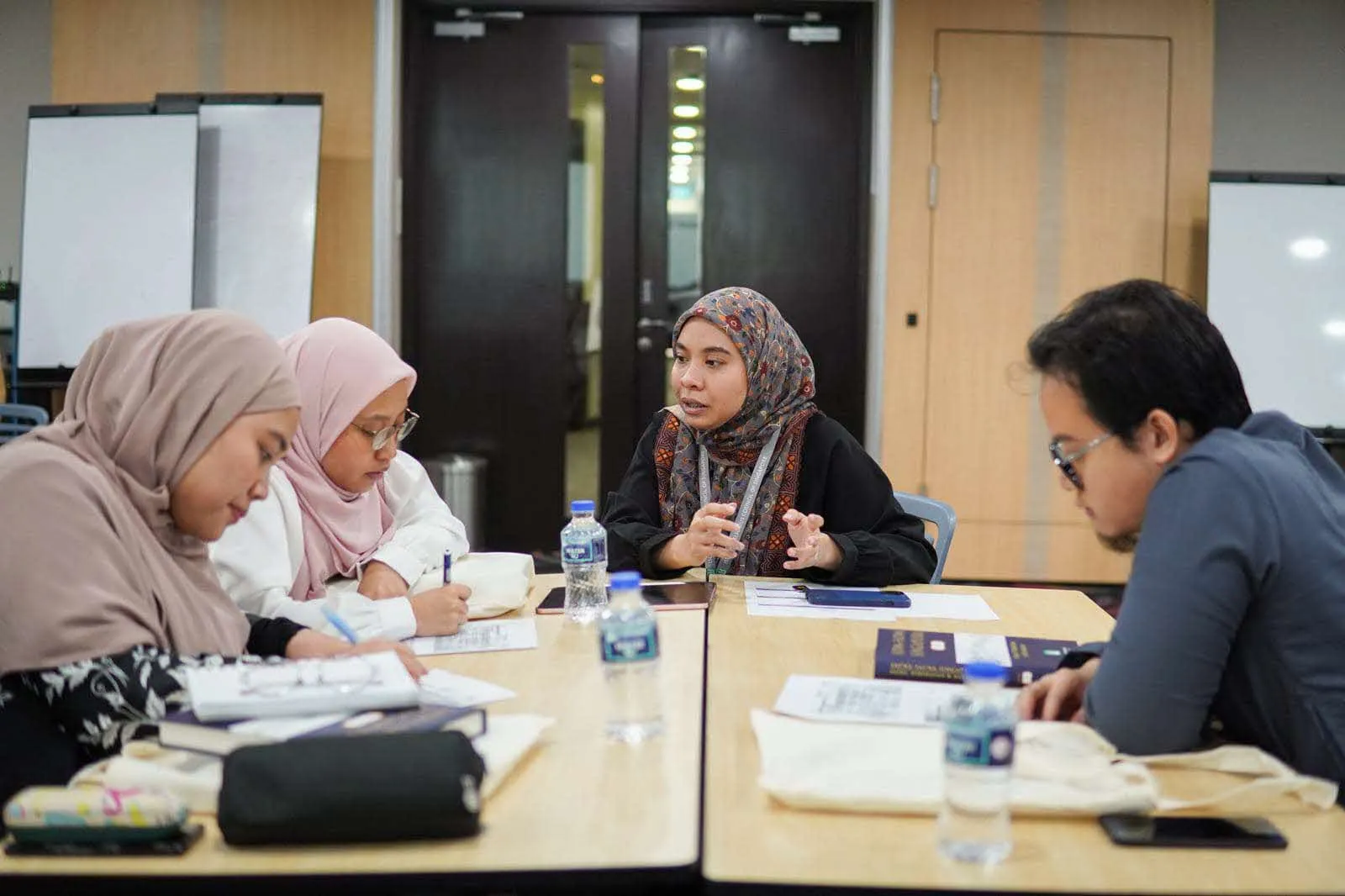
The effort to uplift the religious sector to meet the evolving needs of the Singapore Muslim community is multi-pronged. In 2019, the Committee on Future Asatizah (COFA) was formed to engage the community in envisioning the 'Asatizah of the Future'. Through extensive consultations with asatizah, students and graduates from tertiary Islamic institutions, madrasah students and parents, academics, industry experts, and the public, COFA gathered valuable insights that now inform policies and programmes for asatizah workforce development.
The establishment of the Singapore College of Islamic Studies (SCIS) represents the fulfilment of a long-held aspiration: to have our own institution of higher learning that completes the pathway of Islamic education provided by full-time madrasahs. Whilst generations of students have studied at renowned universities and institutes of Islamic higher learning overseas, there is immense value in having our own institution based in Singapore, one that is deeply rooted in our local context whilst remaining well-connected to renowned institutions abroad.
Every country and community faces unique socio-religious challenges shaped by its particular context and environment. Addressing these challenges requires guidance, both in substance and form, from religious scholars and leaders who understand our specific realities. As challenges become increasingly complex and multi-faceted, preparing our scholars and leaders through rigorous undergraduate education becomes essential. University-level education equips future generations with the interdisciplinary knowledge and critical thinking skills needed to navigate contemporary issues whilst remaining grounded in Islamic tradition.
Religious teachers (asatizah) are spiritual, thought and community leaders. The Muslim community relies on them as beacons of light to lead our holistic and ethical lives in our world today, and to serve as trusted guides leading us towards happiness and success in the hereafter. They are driven by a deeper calling and respond to this noble call for service and duty for the community. The effort and sacrifices of the early generations of asatizah have laid a strong foundation for co-creating the compassionate and cohesive future of our community, our nation and our global community at large.
The following SCIS booklet documents our first steps in this journey to build the foundations for the SCIS. As we document the thinking, planning and achievements along the way, it is our hope that this will inspire us and our stakeholders and partners to see this project to its fruition.
Download SCIS Resources
Postgraduate Certificate in Islam in Contemporary Societies (PCICS)
Driven by the commitment to ensuring that the community is guided by qualified religious teachers, senior asatizah in Singapore introduced the Asatizah Recognition Scheme (ARS) in 2004. The scheme was made mandatory in 2017 to enhance the standing of asatizah and serve as a credible source of reference for the Singapore Muslim community. Today, ARS not only recognises asatizah but also empowers them with the necessary 21st century skillsets to confidently guide a community that is confident in their identity and practice as contributive Singapore Muslims.
To strengthen this recognition framework, the Certificate in Islam in Context (ICON) was introduced in 2017 as a prerequisite for ARS certification. Building on its success, the programme was enhanced in 2020: all new applicants for ARS Tier 1 Graduate level certification are now required to complete the Postgraduate Certificate in Islam in Contemporary Societies (PCICS).
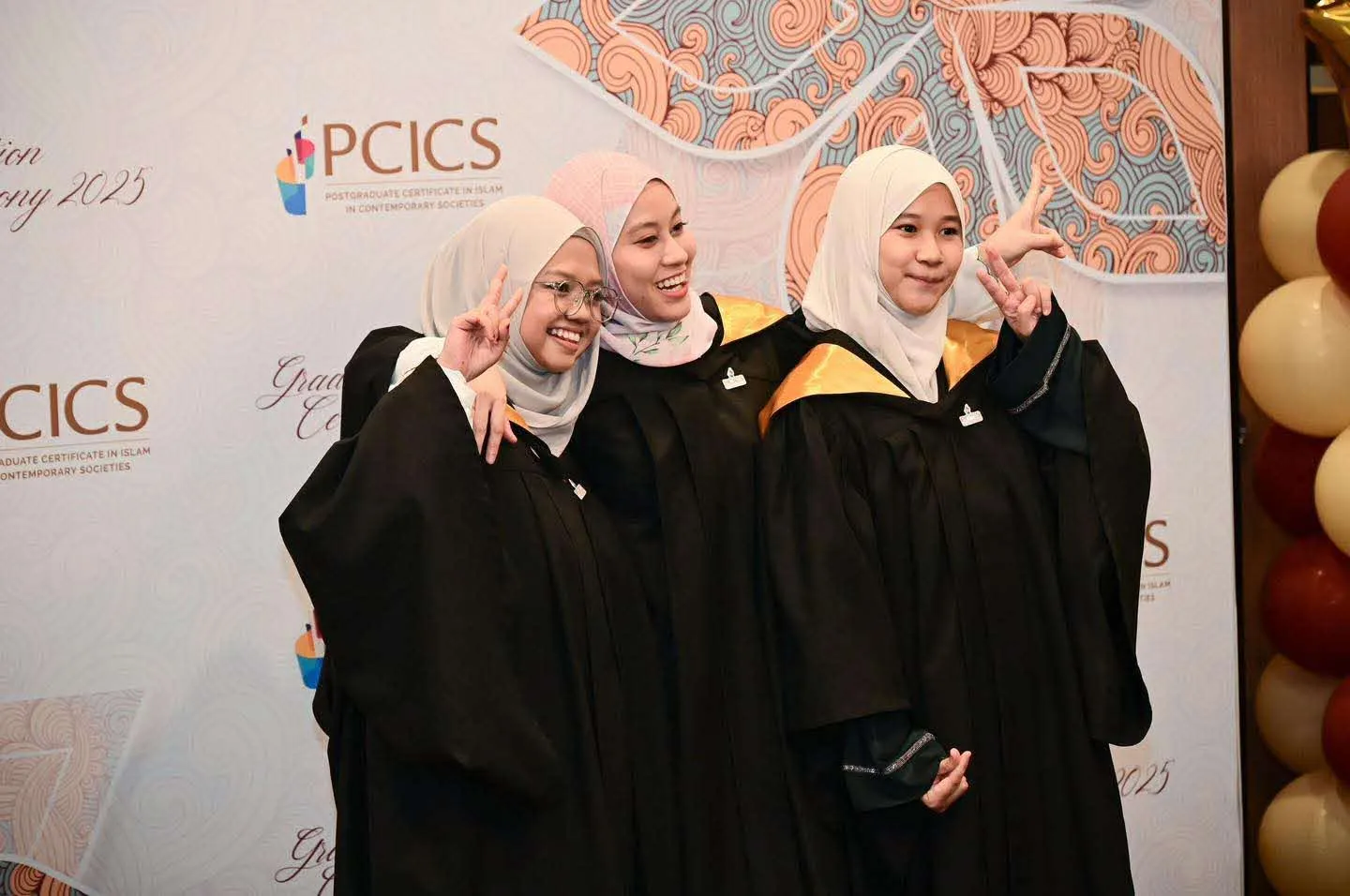
PCICS aims to nurture a generation of confident, compassionate, and competent professional asatizah with the requisite knowledge and skills to provide relevant religious guidance in a highly diverse, plural and inter-connected postmodern world. The one-year programme for returning graduates of Islamic studies offers a holistic curriculum that integrates religious and social sciences to develop critical-creative thinking, whilst equipping asatizah with relevant 21st century competencies and professional proficiencies. The curriculum provides students with deep familiarity with the current and future contexts of Singapore society, Islam and Muslim communities in the Southeast Asian/Nusantara region. The programme culminates in a capstone project where students work collaboratively in groups to apply their learning to real-world issues faced by the Muslim community in Singapore.
Research Programme in the Study of Muslim Communities of Success (RPCS)
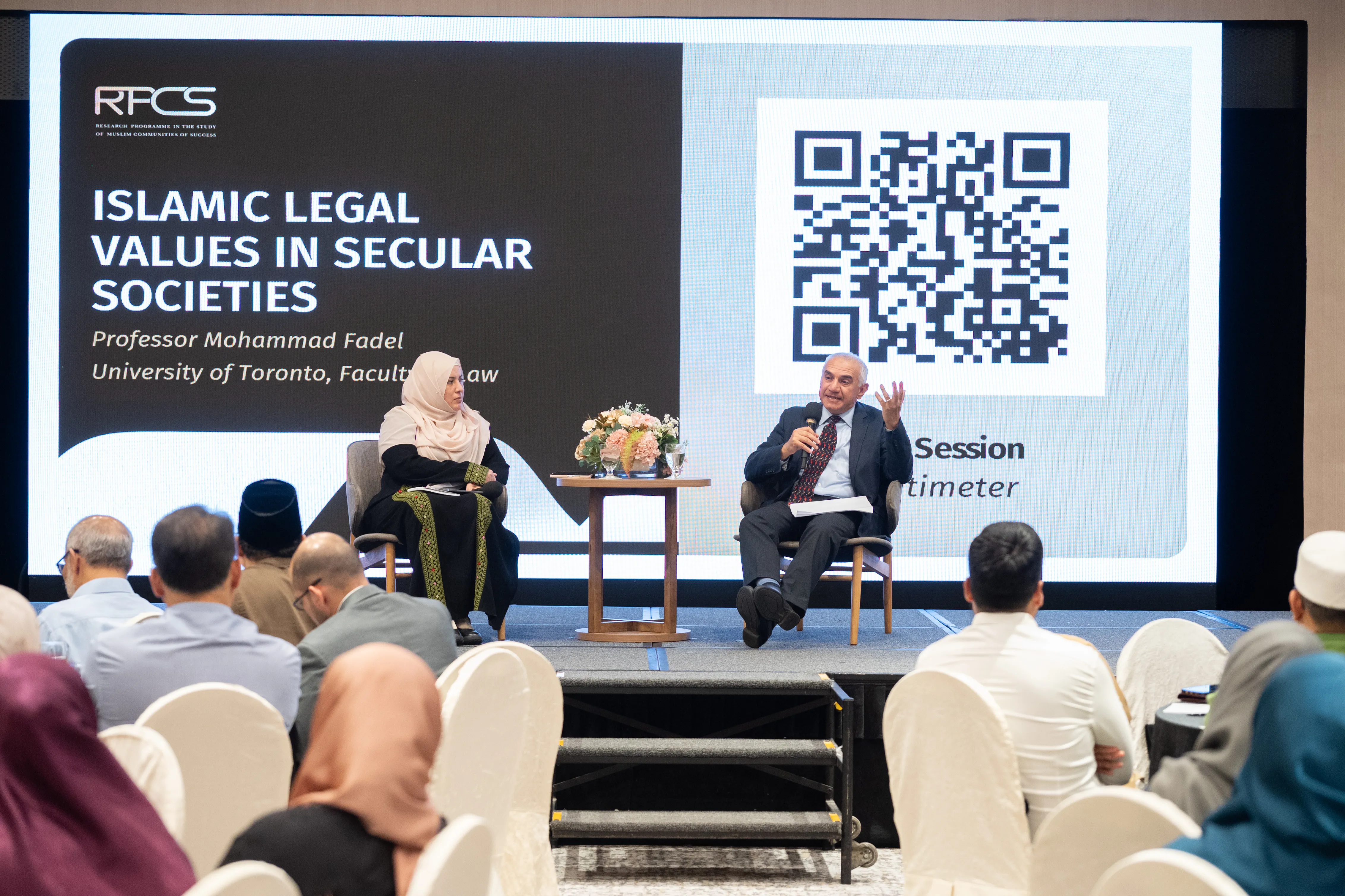
The Communities of Success initiative by the Islamic Religious Council of Singapore (MUIS) envisions Muslim communities thriving in modern, diverse societies. This vision is particularly crucial for Muslims in secular contexts, where they face unprecedented socio-religious challenges that require solutions drawing from Islamic traditions whilst adapting to contemporary needs, maintaining a delicate balance between Islamic values and modern societal demands.
To advance this vision, MUIS launched the Research Programme in the Study of Muslim Communities of Success (RPCS) in June 2021. The programme was established to advance religious thought leadership and respond to the evolving socio-religious challenges faced by Muslims in secular states and advanced economies. RPCS develops new, contextualised bodies of knowledge through critical engagement with both Islamic principles, values, and traditions, and relevant insights from the social sciences. This dual approach ensures that research outputs are grounded in the Islamic knowledge tradition, analytically rigorous, and attuned to the lived experiences of diverse Muslim communities in secular and plural societies.
Now situated within the Singapore College of Islamic Studies (SCIS) as its dedicated research arm, RPCS plays a strategic role in supporting research-driven curriculum development, contributing to public discourse, and advancing the intellectual vibrancy and educational goals of the college. RPCS structures its research work around four key agendas: Governance, Society, Science and Technology, and Intellectual Heritage.
RPCS fulfils its mandate through diverse platforms, including research projects, scholarly publications, and knowledge dissemination events such as seminars, workshops, and roundtable discussions. These initiatives not only produce new and relevant knowledge but also develop and empower religious teachers, community leaders, and scholar-practitioners who form part of a generation of thought leaders equipped to guide Muslim communities towards success in contemporary contexts.
Undergraduate Degree in Islamic Studies
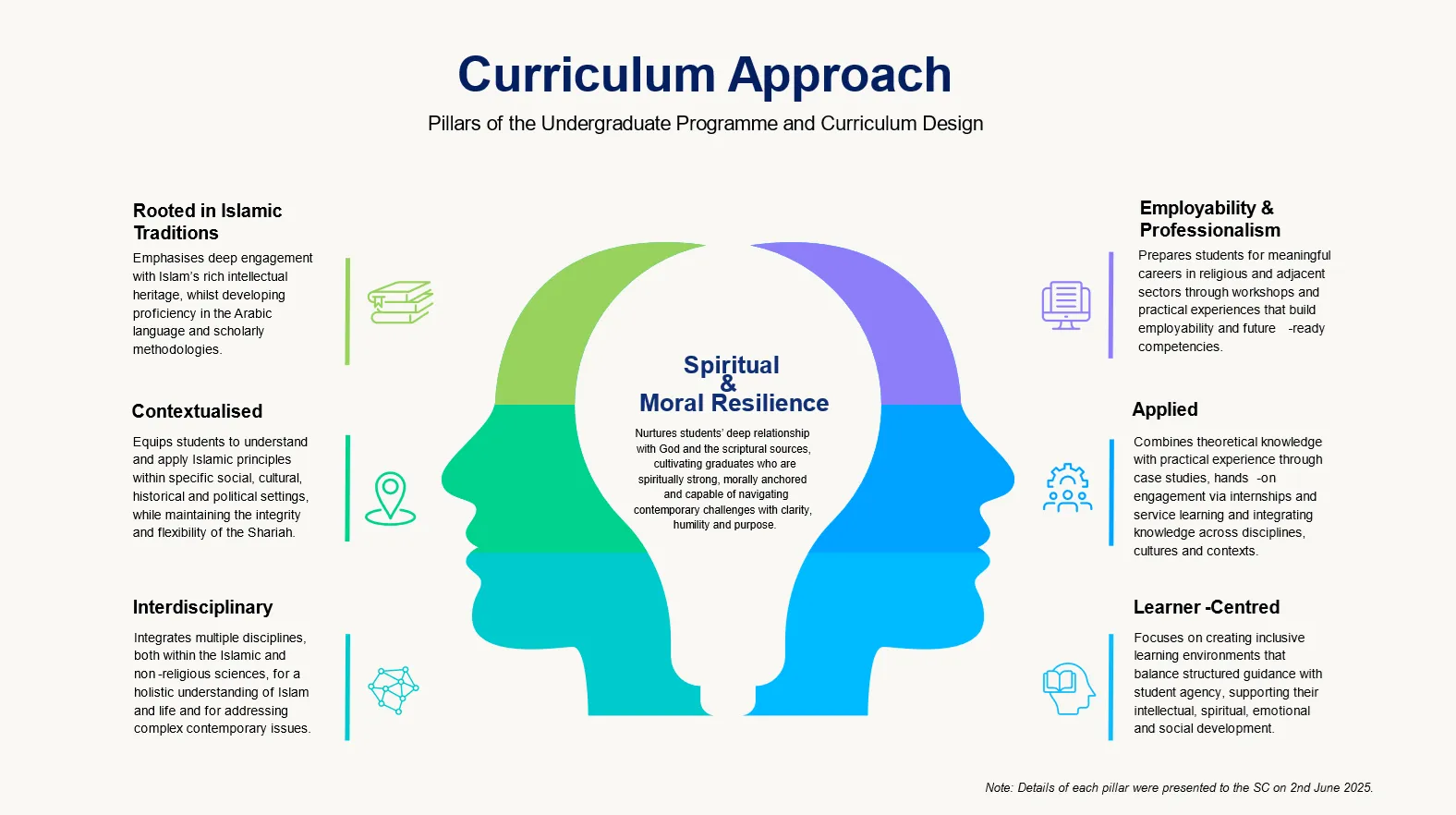
The SCIS undergraduate degree programme in Islamic Studies is a 4-year applied programme designed to nurture future-ready asatizah who will serve as thought leaders for Singapore's Muslim community.
SCIS graduates will possess comprehensive skills and understanding inspired by the content and context of the Islamic intellectual heritage, embodying values that enable them to provide relevant, compassionate, progressive, and culturally competent religious leadership. Through an interdisciplinary and practical application approach to learning, SCIS students will emerge with both deep theoretical understanding and real-world skills, prepared to address contemporary and emerging socio-religious challenges and contribute meaningfully to the betterment of Singapore's Muslim community, the nation, and the world at large.
Programme Dimensions
The SCIS undergraduate programme develops students across three interconnected dimensions:
- Knowledge: Students will acquire comprehensive knowledge of Islamic concepts, methodologies, and disciplines, including familiarity with key texts and scholars. They will develop proficiency in Arabic, gain insight into applying Islamic principles in minority-Muslim communities, and understand the intersections between Islamic sciences and other disciplines.
- Skills: Students will develop competencies in interpreting Islamic texts, utilising modern research tools, analysing complex challenges, and proposing practical solutions aligned with Islamic principles.
- Attitudes: The programme fosters attitudes that balance rootedness in Islamic traditions with progressive approaches to contemporary issues. Students are encouraged to develop ethical conduct, cultural competence, and a commitment to lifelong learning.
SCIS Symposium 2026
SCIS Symposium 2026
"From resilient learners to dynamic leaders and professionals: Towards a new vision of Higher Education"
About
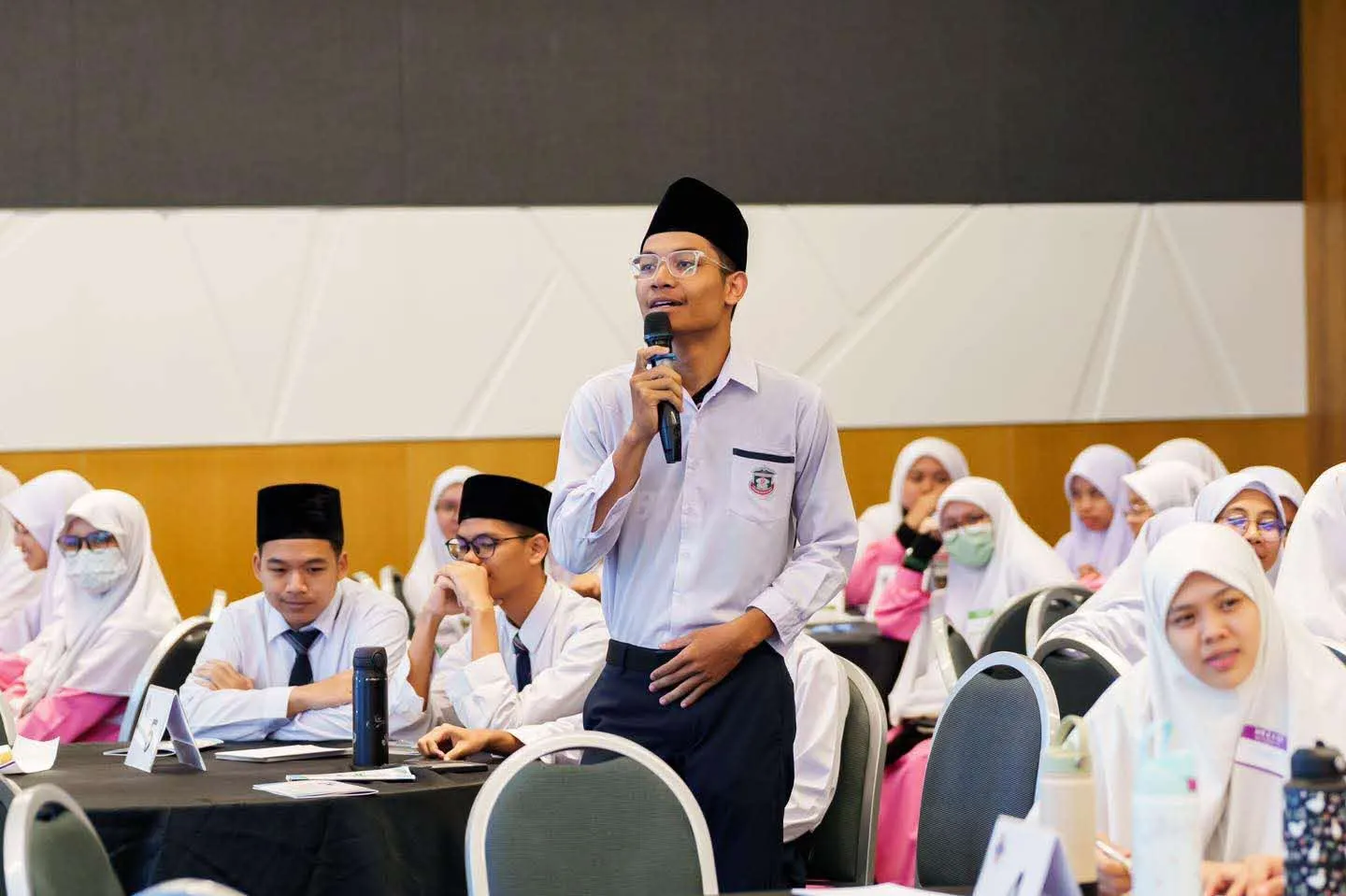
The inaugural SCIS Symposium 2026, themed “From Resilient Learners to Dynamic Leaders and Professionals: Towards a New Vision of Higher Education,” presents a vision of Islamic higher education that places students of Islamic studies at the centre of interdisciplinary learning experiences designed for complex, plural societies. Anchored in the three SCIS curriculum design pillars—Interdisciplinarity, Contextualisation, and Applied Research—the symposium offers participants insights into the envisioned SCIS learning experience. It illustrates how Islamic intellectual traditions can be integrated with perspectives from the humanities and social sciences through case-based, problem-oriented, and applied learning approaches.
Purpose
The symposium aims to cultivate resilient learners who can emerge as dynamic leaders and professionals equipped to navigate contemporary challenges through interdisciplinary thinking, contextualised understanding, and applied research. Through plenary discussions, interactive workshops, and simulated classroom experiences, the symposium models pedagogical approaches that train students to think critically across disciplines, collaborate with diverse stakeholders, and translate religio-ethical principles into socially meaningful action.
Why It Matters
Contemporary societies face increasingly complex and interconnected challenges that demand new forms of thinking and leadership. For Muslim communities in advanced and plural societies such as Singapore, these challenges are intensified by the need to remain grounded in Islamic intellectual traditions while engaging constructively with modern social, political, and technological realities and contributing to multireligious societies.
These conditions raise fundamental questions about how Islamic studies at the tertiary level should be reimagined to prepare future religious leaders and professionals for such contexts. The symposium responds to these questions by articulating an approach to Islamic higher education that is intellectually grounded, socially engaged, and responsive to the realities of plural societies.
Event Details
Raffles City Convention Centre
80 Bras Basah Road, Singapore 189650